Vasectomy: What to Expect Before, During, and After
Surgery Center Directory Team
March 20, 2026
Vasectomy is a common outpatient urology procedure performed at ambulatory surgery centers and urology offices, typically taking 15 to 30 minutes. It's one of the more effective and lowest-risk forms of permanent contraception available, but a lot of patients delay scheduling one simply because they're unsure what the appointment actually involves.
What the procedure does
A vasectomy interrupts the vas deferens — the tube that carries sperm from the testicle toward the urethra — either by cutting and sealing it or removing a small segment, depending on the technique used. This prevents sperm from being present in ejaculate. It does not affect testosterone production, sex drive, or the ability to ejaculate normally, since seminal fluid itself is produced elsewhere and makes up the vast majority of ejaculate volume.
It should be considered permanent. While reversal procedures exist, they're more involved, not always successful, and typically not covered by insurance. Anyone with meaningful uncertainty about wanting future biological children should have that conversation before scheduling, not after.
The two main techniques
The conventional technique uses one or two small incisions in the scrotum to access the vas deferens. The no-scalpel technique, now widely used, creates a tiny puncture rather than an incision, using a specialized instrument to gently spread the tissue instead of cutting it — this generally means less bleeding, a faster procedure, and quicker recovery, though both approaches are effective and low-risk. It's reasonable to ask which technique your provider uses.
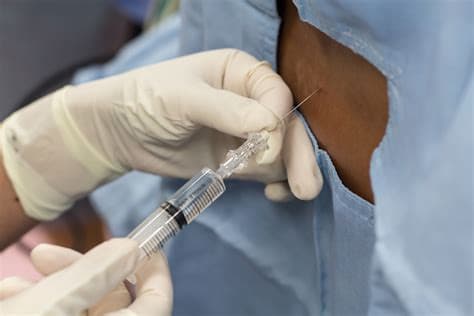
Local anesthesia is standard — an injection numbs the area, and most patients are awake and alert throughout, though some practices offer mild oral sedation for anxious patients. General anesthesia is uncommon for this specific procedure given how minor it is.
The day of the procedure
Wear supportive, snug underwear (not loose boxers) to the appointment and for several days afterward — this isn't a minor detail. Scrotal support noticeably reduces swelling and discomfort during recovery, and most providers recommend bringing it rather than assuming regular underwear is sufficient.
If any sedation beyond local anesthesia is used, a driver is required. If it's local anesthesia only, some patients are cleared to drive themselves, but this should be confirmed with the specific provider beforehand rather than assumed.
The first few days
Ice packs applied intermittently for the first 24 to 48 hours meaningfully reduce swelling and discomfort — this is one of the more effective things a patient can do for their own recovery here. Over-the-counter pain relief is usually sufficient; avoid aspirin and NSAIDs like ibuprofen for the first few days specifically, since they can increase bleeding risk, unless the provider says otherwise.
Rest for the first day or two, with a gradual return to light activity. Most desk jobs allow a return within 2 to 3 days. Strenuous activity, heavy lifting, and exercise are typically restricted for about a week, and sexual activity is generally advised to wait at least a week, guided by comfort level.
The part that surprises people: it's not immediately effective
A vasectomy does not provide immediate contraception. Sperm already present beyond the point of interruption can remain viable for weeks to a few months. Another form of contraception is necessary until a follow-up semen analysis confirms zero or a negligible sperm count — this is not optional or a formality, since pregnancies from vasectomies that were assumed effective too early do happen.
This follow-up test is typically done around 8 to 12 weeks after the procedure, sometimes requiring a specific number of ejaculations beforehand to clear remaining sperm. Skipping this test because symptoms feel normal and recovery went smoothly is one of the more avoidable reasons vasectomies fail as contraception.
When to call rather than assume it's normal
Some swelling and bruising is expected and typically peaks around day 2 to 3 before improving. Significant swelling that's rapidly worsening, a fever, or spreading redness are not expected and warrant a call rather than waiting it out. A small, firm, sometimes tender lump can develop at the surgical site over time in some patients — this is usually a benign granuloma and not dangerous, but it's still worth mentioning at a follow-up rather than diagnosing it independently.
Related Resources
Looking for a surgery center near you?
Search 5,700+ Medicare-certified ASCs and compare CAHPS scores, accreditation, and patient reviews.