Mohs Surgery: What Happens During the Procedure
Surgery Center Directory Team
June 16, 2026
Mohs micrographic surgery is a precise, staged technique for removing certain skin cancers — most commonly basal cell and squamous cell carcinoma — layer by layer, with each layer examined under a microscope on-site before deciding whether more tissue needs to be removed. It has one of the highest cure rates of any skin cancer treatment while removing the least amount of healthy surrounding tissue, which is particularly valued for cancers on the face or other cosmetically sensitive areas. The part that surprises most patients isn't the procedure itself — it's how long the appointment actually takes.
Why the appointment takes most of a day
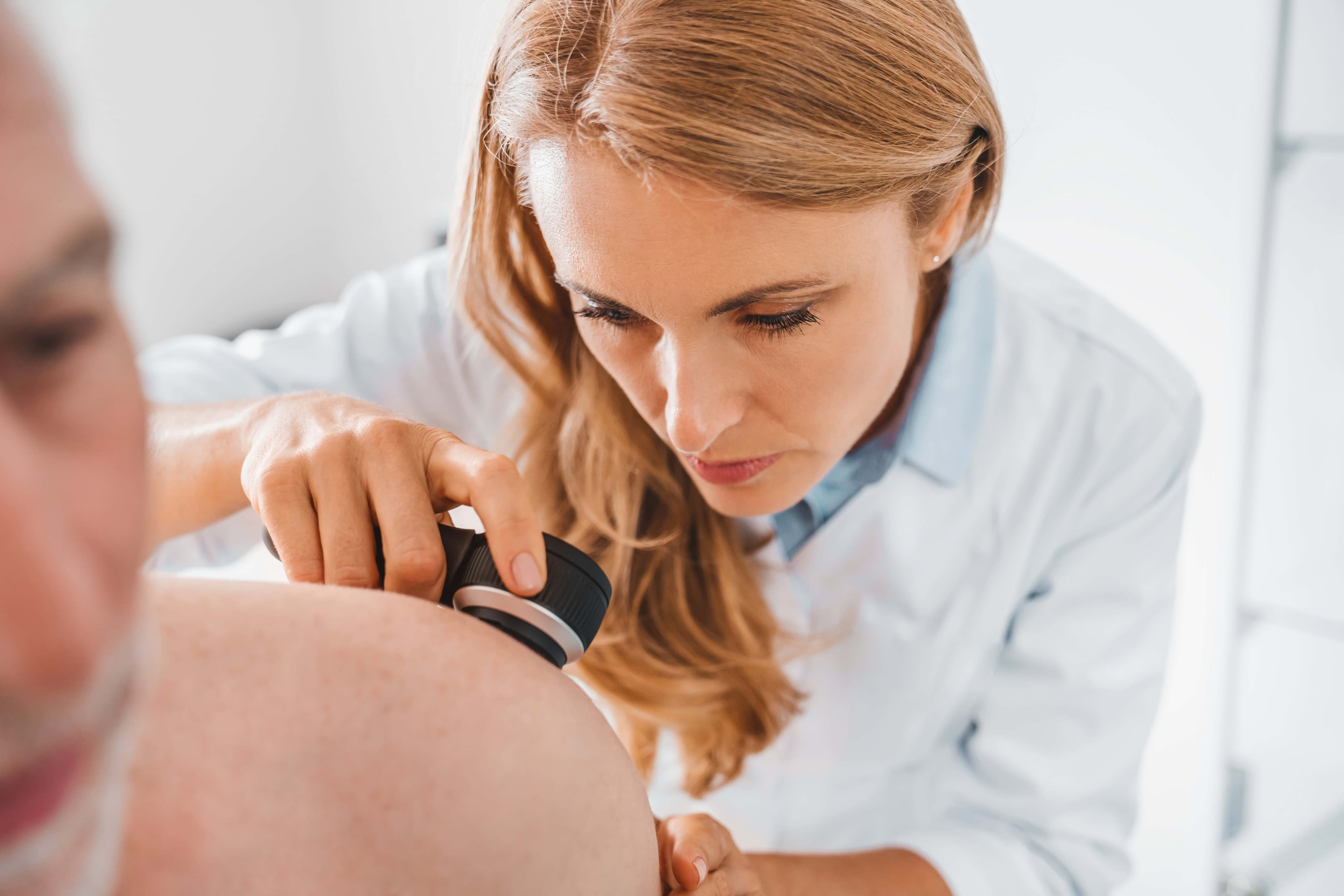
Unlike a standard excision where tissue is sent to an outside lab and results come back days later, Mohs surgery processes and examines each layer of tissue on-site, in real time, while the patient waits. A thin layer of tissue is removed, the area is bandaged, and the surgeon examines the tissue under a microscope, a process that typically takes 45 minutes to an hour per layer.
If cancer cells remain at the edges of that layer, another thin layer is removed from only the specific area where cancer was found, and the process repeats. This can mean anywhere from one to several rounds, and there's genuinely no way to know in advance exactly how many will be needed for a specific case — this is why patients are told to clear most or all of the day for the appointment rather than expecting a quick, predictable visit.
What happens during each round
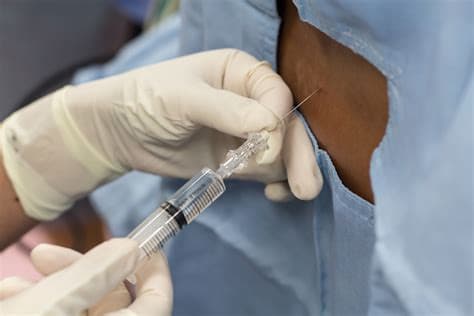
Local anesthesia numbs the area before each layer is removed, so the removal itself isn't painful, though the numbing injection involves a brief pinch. Between rounds, patients typically wait in a waiting area, often for 30 minutes to over an hour, while the tissue is processed and examined — bringing something to occupy the time (a book, work, entertainment on a phone) is a reasonable thing to plan for.
Once the margins are clear of cancer cells, the immediate procedure is complete, and the surgeon then discusses how the resulting wound will be closed — options range from allowing it to heal on its own, stitching it closed directly, or a more involved reconstructive closure (a flap or graft) depending on the size and location of the defect.
Wound closure: sometimes the same day, sometimes not
For smaller defects, closure often happens the same day, immediately after the cancer-free margins are confirmed. For larger defects, particularly in cosmetically or functionally sensitive areas, closure may involve a more complex reconstructive technique, sometimes performed by the Mohs surgeon and sometimes by a plastic surgeon, occasionally on a different day. Ask specifically what closure approach is anticipated for your case, since this affects both the day-of timeline and the overall recovery.
Recovery after the procedure
Recovery for a straightforward closure is typically fast — mild discomfort managed with over-the-counter pain relief, and normal activity resumed within a few days for most locations. Facial wounds, particularly near the eyes, nose, or lips, may have specific care instructions and a longer visible healing period, with the final cosmetic result continuing to improve for several months to a year as scars mature and soften.
Sun protection over the treated area is particularly important during healing and going forward, both for cosmetic healing and because a history of skin cancer meaningfully increases the risk of developing another lesion, making ongoing skin checks and sun protection a long-term priority rather than a one-time recovery instruction.
What to flag rather than assume is normal
Increasing redness, warmth, swelling, or discharge from the wound, or a fever, are not expected parts of recovery and warrant a call to the surgical practice. Any new or changing spot on the skin in the months after treatment — whether near the treated site or elsewhere — is worth having evaluated, since a personal history of skin cancer is one of the strongest risk factors for developing another.
Why Mohs is done at an ASC or dedicated surgical suite rather than a hospital
Mohs surgery is almost always performed in an outpatient setting — either a dermatology office with an on-site lab, or an ambulatory surgery center — rather than a hospital, and this isn't a cost-cutting shortcut. The technique depends on the surgeon and a specially trained technician processing and reading each tissue layer immediately, which requires an on-site histology lab built specifically for same-day, real-time processing. Hospitals generally route pathology through a central lab with a turnaround measured in days, which defeats the entire point of Mohs. The specialized, dedicated setup is precisely why the technique achieves cure rates as high as 99% for many basal and squamous cell carcinomas — higher than standard excision — while removing less tissue.
This also means the choice of facility matters more than it might for other procedures. Ask specifically whether the practice has an in-house Mohs lab and how many Mohs cases the surgeon performs per year; this is a fellowship-trained subspecialty, and volume varies significantly between general dermatologists who occasionally perform Mohs and fellowship-trained Mohs surgeons who do it as their primary focus.
Insurance and cost considerations
Mohs surgery is generally well covered by insurance and Medicare when it's medically indicated for a biopsy-confirmed skin cancer, since it's considered the standard of care for many tumors in high-risk locations rather than an elective or cosmetic procedure. That said, the reconstructive closure — particularly if it requires a flap or graft performed by a separate plastic surgeon — may involve a distinct billing code and, occasionally, a separate facility or professional fee. Confirming how the anticipated closure will be billed, and whether the reconstructive surgeon (if different from the Mohs surgeon) is in-network, is worth doing before the appointment rather than after.
Related Resources
Looking for a surgery center near you?
Search 5,700+ Medicare-certified ASCs and compare CAHPS scores, accreditation, and patient reviews.