Lumbar Disc Decompression: What to Expect Before and After Surgery
Surgery Center Directory Team
March 16, 2026
Lumbar disc decompression is among the top procedures performed at ambulatory surgery centers, generally used to relieve pressure on a compressed spinal nerve caused by a herniated or bulging disc. The term covers a genuine range of procedures — from minimally invasive percutaneous techniques done through a needle-sized opening to microdiscectomy involving a small incision and direct visualization of the disc. Understanding which category your procedure falls into matters more here than for almost any other common ASC surgery, since the recovery expectations differ substantially between them.
What decompression actually does
A disc herniation occurs when the soft inner material of a spinal disc pushes through a tear in its outer layer, often pressing on a nearby nerve root and causing pain that radiates down a leg — commonly called sciatica when it originates in the lower back. Decompression removes or reduces the portion of disc material pressing on the nerve, relieving the mechanical pressure causing the pain.
It's a targeted procedure, not a full disc replacement or spinal fusion. The remaining healthy disc tissue stays in place. This is why decompression is generally reserved for cases where a specific, imaged disc herniation is clearly causing nerve compression — it's not typically used as a first-line treatment for general low back pain without a clear structural cause.
The range of procedures called "decompression"
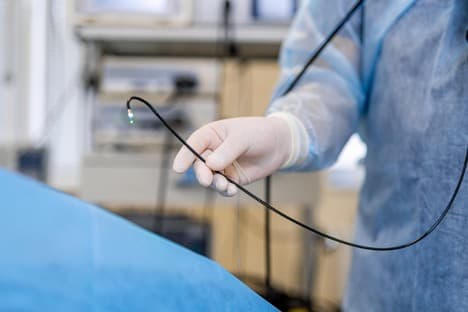
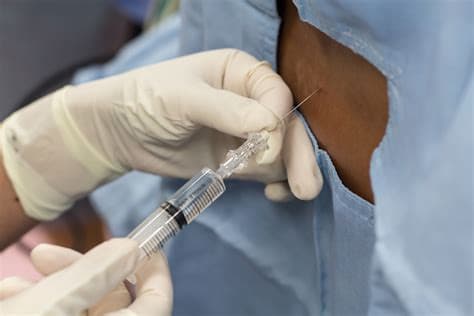
Percutaneous or endoscopic discectomy uses a needle or small tube-based approach with a tiny camera, often under local anesthesia with light sedation, and typically involves the fastest recovery of the group. Microdiscectomy is a step up — a small incision with a surgical microscope providing direct visualization, usually under general anesthesia, involving a bit more tissue disruption and correspondingly more recovery time.
Ask specifically which technique your surgeon is planning and why. The recovery differences between these approaches are meaningful enough that generic advice about “disc surgery recovery” found online may not match what your specific procedure actually involves.
Before the procedure
Imaging — typically an MRI — confirming the specific level and side of the herniation is standard before this procedure is scheduled, and it's reasonable to ask to see or discuss your own imaging with the surgeon beforehand so you understand exactly what's being addressed. Blood thinners generally need to be managed the same way as for other spine procedures, coordinated with the prescribing physician rather than stopped independently.
Arrange a ride home regardless of which specific technique is used, since even light sedation makes driving unsafe the same day, separate from any procedure-related restrictions.
The first days after surgery
Many patients notice significant relief from the radiating leg or arm pain relatively quickly, sometimes within days, since the mechanical pressure on the nerve is relieved directly. Some residual numbness or tingling can persist longer, since nerve tissue that's been compressed can take weeks to months to fully recover its normal sensation even after the pressure causing it is resolved — this lag doesn't mean the procedure didn't work.
Incision site pain, for approaches involving one, is typically modest and improves over the first week or two. Sitting for long periods and bending or twisting the spine are commonly restricted early on, though the exact restrictions and their duration depend on the specific technique used and should come directly from the surgeon rather than a generic recovery guide.
Weeks 2 to 6: gradual return to activity
For minimally invasive approaches, many patients return to sedentary work within one to two weeks. Microdiscectomy typically involves a somewhat longer window, often two to four weeks for desk work, and considerably longer for physically demanding jobs involving lifting or prolonged standing.
Physical therapy, when prescribed, generally focuses on core strengthening and safe movement mechanics rather than aggressive stretching in the early weeks, since the goal is supporting the spine without stressing the surgical site. Walking is typically encouraged early and often, in contrast to activities involving twisting, heavy lifting, or high-impact movement, which usually remain restricted longer.
What determines a good outcome versus a recurrence
Disc herniations can recur, including at the same level, and this is a genuine risk patients should understand going in rather than treating decompression as a permanent structural fix. Following activity restrictions during the healing window, maintaining a healthy weight, and building core strength through appropriate physical therapy all meaningfully reduce recurrence risk, though none eliminate it entirely.
New or worsening leg weakness, loss of bladder or bowel control, or fever after the procedure are not expected parts of recovery and warrant an urgent call rather than waiting for a scheduled follow-up. These are uncommon, but they're specific enough to be worth knowing in advance.
Related Resources
Looking for a surgery center near you?
Search 5,700+ Medicare-certified ASCs and compare CAHPS scores, accreditation, and patient reviews.