LASIK Eye Surgery: What to Expect and What It Doesn't Fix
Surgery Center Directory Team
May 28, 2026
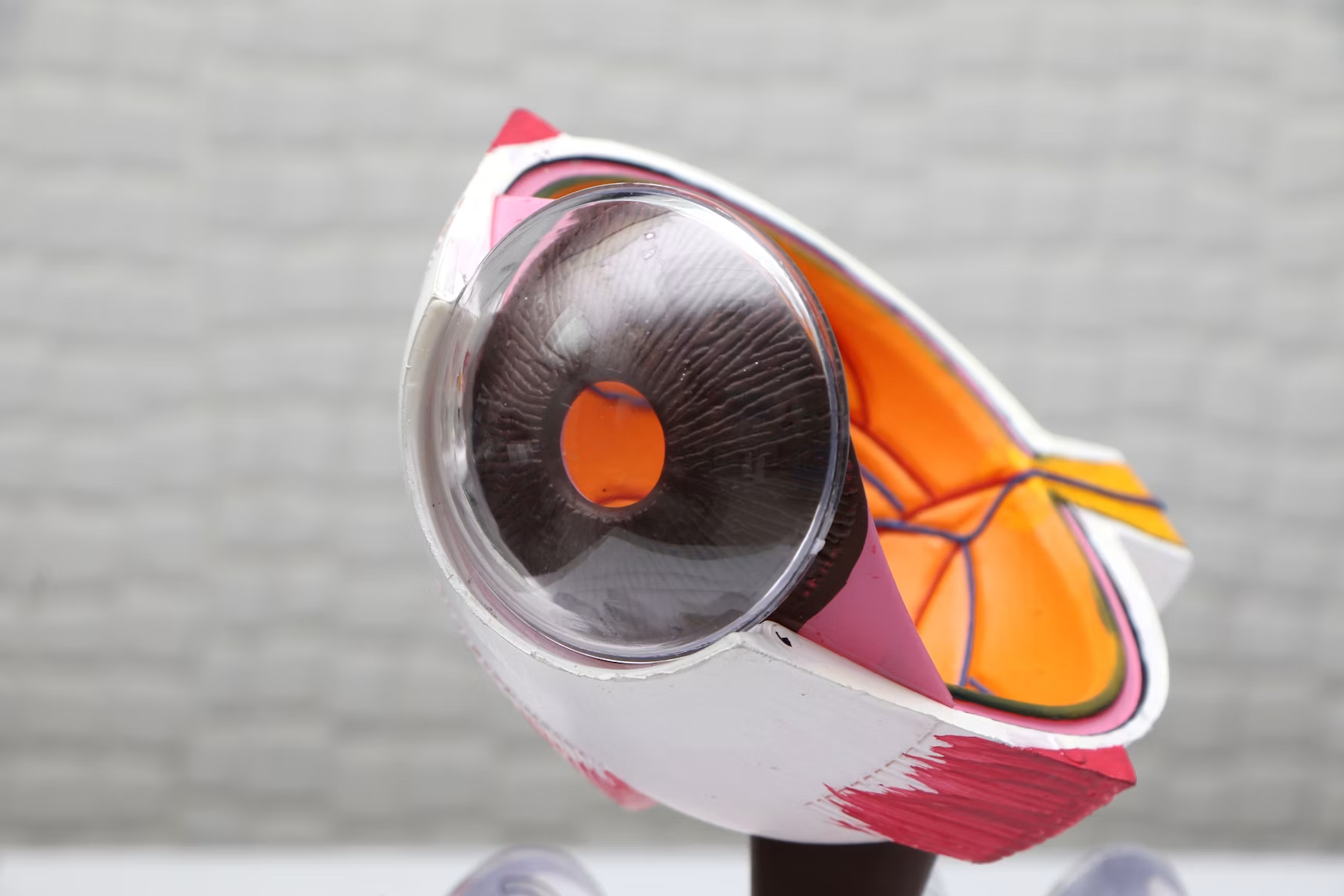
LASIK (laser-assisted in situ keratomileusis) reshapes the cornea to correct nearsightedness, farsightedness, and astigmatism, reducing or eliminating the need for glasses or contacts. It's one of the most commonly performed elective vision procedures, generally taking under 15 minutes per eye, with most patients noticing significantly improved vision within a day. It's also more selective about who's actually a good candidate than the widespread marketing sometimes suggests.
Not everyone is a candidate
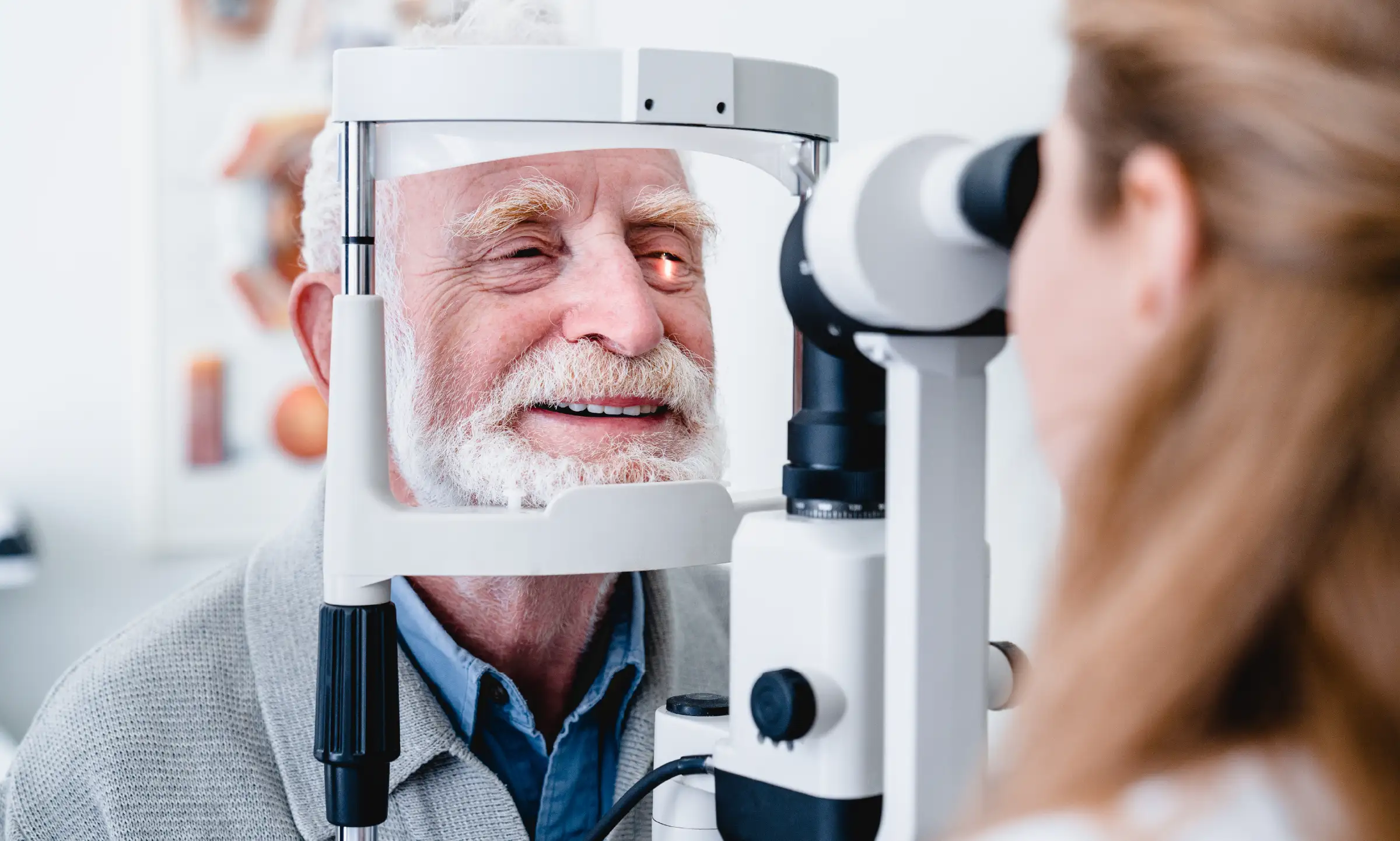
A comprehensive pre-operative evaluation, including corneal thickness measurement and mapping, determines candidacy — and a meaningful share of people who inquire about LASIK are not good candidates. Corneas that are too thin, certain irregular corneal shapes, significant dry eye disease, unstable vision prescription (still changing year to year), and some autoimmune or eye conditions can all rule out LASIK specifically, though alternative procedures like PRK may still be an option in some of those cases.
Be wary of any practice that doesn't perform a thorough individualized evaluation before recommending the procedure, or that pushes a heavily discounted price without a real assessment of corneal thickness and health first.
The procedure itself
Numbing eye drops are used; general anesthesia isn't involved. A thin flap is created in the outer cornea, either with a specialized blade or, more commonly today, a femtosecond laser. The flap is lifted, an excimer laser reshapes the underlying corneal tissue based on the individual's specific prescription, and the flap is repositioned, where it adheres without stitches.
Patients are awake throughout and may notice pressure and some brief blurring or unusual visual sensations during the procedure, but it's not typically painful. A mild sedative is sometimes offered for anxiety, though it's not required for the procedure itself.
The first 24 to 48 hours
Some grittiness, light sensitivity, and mild discomfort are common for the first several hours, often improving significantly after a nap, which many surgeons specifically recommend for the day of surgery. Protective eye shields are typically worn while sleeping for the first few nights to prevent accidental rubbing, since the corneal flap, while adhered, is still more vulnerable to displacement in the earliest days.
A driver is required for the day of the procedure itself, though many patients can drive again by the next day once vision has stabilized enough — this should be confirmed at the follow-up visit typically scheduled for the day after surgery, not assumed.
What LASIK doesn't fix
LASIK corrects refractive error — the way light focuses in the eye — but it doesn't prevent or correct presbyopia, the age-related loss of near focusing ability that affects nearly everyone eventually, typically starting in the 40s. Patients who have LASIK in their 30s to correct distance vision will still likely need reading glasses at some point later in life, a detail that surprises some patients who assume LASIK is a permanent fix for all vision changes.
LASIK also doesn't prevent cataracts, which are a separate, age-related clouding of the eye's natural lens unrelated to corneal shape. Someone who has had LASIK will still develop cataracts on the same general timeline as anyone else, and cataract surgery remains a separate procedure entirely if that becomes necessary later.
Recovery over the following weeks
Most patients reach close to their final visual result within a few days to a week, though full stabilization and resolution of minor side effects like dry eye or halos around lights at night can take a few months. Prescription and lubricating eye drops are used on a specific schedule during this window and matter more to the final outcome than patients often expect — skipping drops because vision already feels good is a common way people undermine their own healing.
Swimming, hot tubs, contact sports, and eye makeup are typically restricted for a couple of weeks to reduce infection risk and avoid trauma to the healing flap. Strenuous exercise is often allowed sooner, though this varies by surgeon — confirm specific restrictions rather than assuming a universal timeline.
When to call rather than assume it's normal
Significant pain (rather than mild grittiness), a sudden decrease in vision, or increasing redness and discharge are not expected parts of LASIK recovery and warrant a same-day call to the surgical practice. Persistent severe dry eye, significant glare or halos that don't improve over the following months, or vision that doesn't stabilize as expected should also be raised at follow-up rather than assumed to be a permanent, unavoidable result.
Related Resources
Looking for a surgery center near you?
Search 5,700+ Medicare-certified ASCs and compare CAHPS scores, accreditation, and patient reviews.