Hernia Surgery: What to Expect and How Long Recovery Actually Takes
Surgery Center Directory Team
June 24, 2026
A hernia occurs when an internal organ or tissue pushes through a weak spot in the surrounding muscle or connective tissue, most commonly in the groin (inguinal hernia) or at the site of a previous surgical incision (incisional hernia). Hernias don't heal or resolve on their own — surgery is the only definitive treatment, though not every hernia needs to be repaired immediately. Hernia repair is one of the most frequently performed general surgery procedures at ambulatory surgery centers, and most patients go home the same day.
When repair is urgent versus elective
Most hernias are repaired electively, on a scheduled basis, particularly if they're not causing significant pain and aren't at high risk of complication. A hernia becomes urgent if it becomes incarcerated (stuck, unable to be pushed back in) or strangulated (blood supply to the trapped tissue is cut off) — the latter is a surgical emergency with symptoms including severe pain, redness over the hernia, nausea, and vomiting, and requires immediate medical attention rather than a scheduled appointment.
For a hernia that's reducible (can be pushed back in) and not causing significant symptoms, some patients elect to delay surgery or monitor it for a period, in consultation with their surgeon — this is a reasonable approach for select cases, but it should be an informed decision made with a physician, not an assumption that a hernia can simply be ignored indefinitely.
Open versus laparoscopic repair
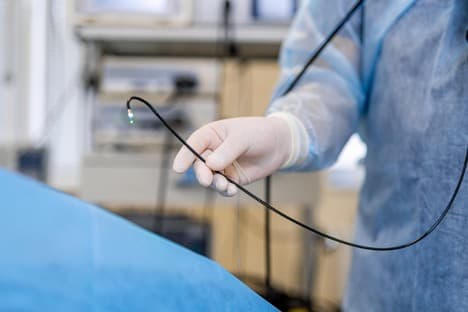
Open repair uses a single incision directly over the hernia, with the weakened area repaired and typically reinforced with surgical mesh. Laparoscopic repair uses several small incisions and a camera, and is often preferred for certain hernia types or for repairing hernias on both sides simultaneously, generally with less post-operative pain and a faster return to normal activity, though the choice depends on the specific hernia, whether it's a first repair or a recurrence, and surgeon expertise.
Mesh reinforcement has become standard for most hernia repairs since it significantly reduces the recurrence rate compared to repair without mesh. Ask your surgeon directly about the specific mesh type being used and their experience with it if you have questions or concerns — this is a reasonable thing to discuss beforehand, not something to research anxiously afterward.
The day of surgery
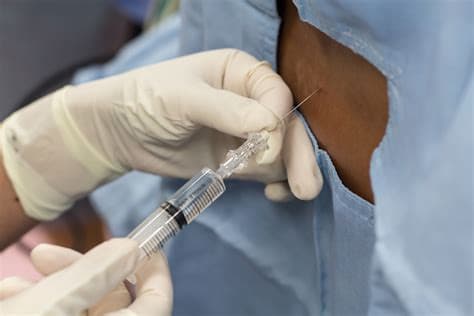
The procedure typically takes 30 minutes to an hour depending on complexity and approach. Local anesthesia with sedation is sometimes used for straightforward open repairs, while laparoscopic repair requires general anesthesia. Most patients are discharged the same day with a driver required regardless of anesthesia type.
The first week
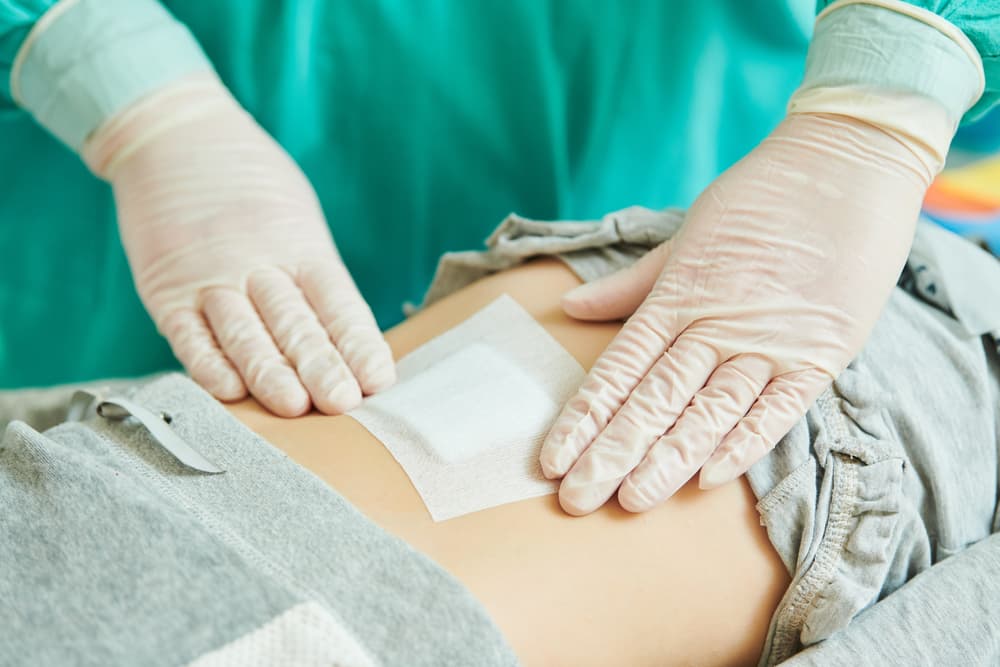
Soreness, swelling, and bruising around the incision site are expected, and for inguinal hernia repairs specifically, swelling and bruising can extend into the scrotum in male patients, which is normal and not a sign of a complication, though it can be alarming if not anticipated. Ice and over-the-counter pain relief are typically sufficient for most patients within the first several days, with prescription pain medication needed less often than for many other surgeries.
Light walking is encouraged early, both for comfort and to reduce blood clot risk, while heavy lifting, straining, and strenuous exercise are typically restricted for several weeks, since increased abdominal pressure during this window can meaningfully raise the risk of the repair failing before it's fully healed.
Weeks 2 to 6: gradual return to activity
Desk work is often possible within a few days to a week for laparoscopic repair, sometimes slightly longer for open repair. Jobs or activities involving heavy lifting typically require a longer restriction, often 4 to 6 weeks, and this specific restriction is worth confirming directly with the surgeon rather than estimating, since returning to heavy lifting too early is one of the more common reasons for hernia recurrence.
Some pulling or tightness sensation at the repair site during this window, particularly with certain movements, is common and generally improves as the tissue continues to heal and any mesh becomes fully incorporated into the surrounding tissue.
What to flag rather than assume is normal
Increasing redness, warmth, or drainage at the incision, a fever, or significant swelling that's rapidly worsening rather than gradually improving are not expected and warrant a call to the surgeon rather than waiting it out. A new bulge at or near the repair site, particularly one that wasn't there in the first days after surgery, should also be evaluated rather than assumed to be normal swelling, since it can indicate an early recurrence.
Related Resources
Looking for a surgery center near you?
Search 5,700+ Medicare-certified ASCs and compare CAHPS scores, accreditation, and patient reviews.