Gallbladder Surgery: What to Expect Before and After
Surgery Center Directory Team
July 10, 2026
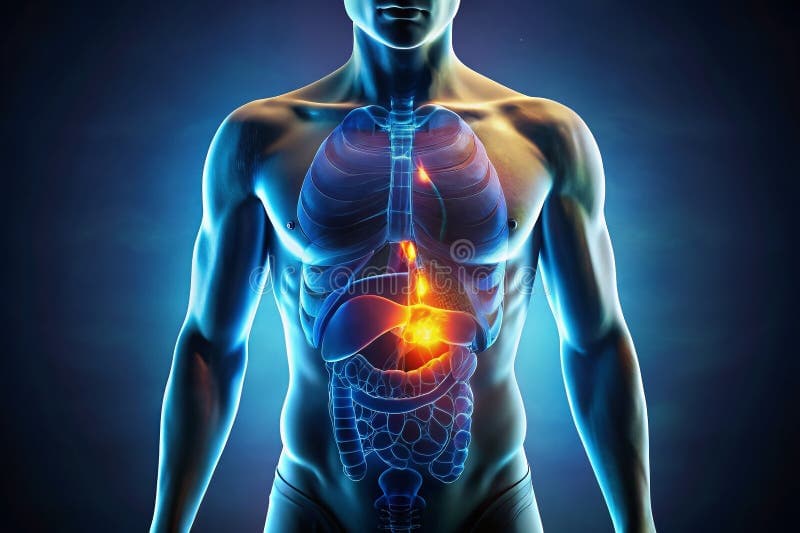
Laparoscopic cholecystectomy — surgical removal of the gallbladder — is one of the most commonly performed general surgery procedures at ambulatory surgery centers, most often done to treat gallstones causing pain, inflammation, or blockage. The gallbladder stores bile made by the liver, and while it plays a role in digestion, it isn't essential — most people have no significant long-term digestive problems after it's removed, though there's a real adjustment period and some dietary changes worth knowing about in advance.
The procedure itself
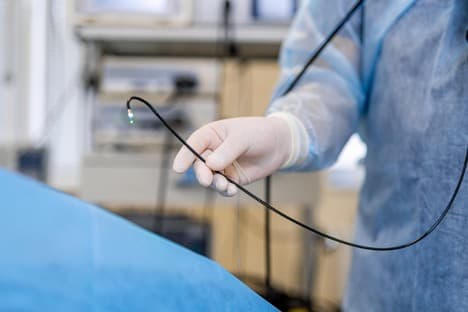
The vast majority of gallbladder removals today are done laparoscopically — several small incisions, a camera, and specialized instruments, rather than a single large open incision. The procedure typically takes 30 minutes to an hour under general anesthesia. In a small percentage of cases, the surgeon may need to convert to an open procedure partway through if the anatomy or inflammation makes the laparoscopic approach unsafe to continue — this isn't a failure of the surgery, it's a safety decision, and it does mean a longer recovery than the laparoscopic approach would have involved.
Most patients go home the same day, though some, particularly those having surgery for acute inflammation (cholecystitis) rather than a scheduled elective procedure, may have a short overnight observation depending on how the surgery went and how they're recovering immediately afterward.
The first few days
Shoulder pain — specifically, referred pain that doesn't actually originate in the shoulder — is common after laparoscopic gallbladder surgery and surprises a lot of patients who don't expect it. It's caused by gas used to inflate the abdomen during the procedure irritating the diaphragm, which shares nerve pathways with the shoulder, and it typically resolves within a few days as the remaining gas is absorbed by the body. Walking and gentle movement actually help this resolve faster, somewhat counterintuitively, by helping the body reabsorb the gas.
Incision soreness is generally mild to moderate for a laparoscopic procedure, often manageable with over-the-counter pain relief within a few days. Most patients return to light activity within a few days and desk work within a week, though this varies by individual and by how physically demanding the job is.
Diet: the adjustment most people don't expect
Without a gallbladder, bile flows more continuously and in smaller amounts directly from the liver into the digestive tract, rather than being concentrated and released in a larger amount specifically when fatty food is eaten. This means many people notice difficulty digesting large or high-fat meals, particularly in the weeks immediately after surgery, sometimes resulting in bloating, gas, or loose stools after a rich meal.
A lower-fat, smaller-meal approach in the first few weeks generally helps this adjustment period considerably. For most people, this sensitivity improves over the following weeks to months as the digestive system adapts, though a smaller percentage of patients notice ongoing sensitivity to very fatty meals long-term — this is manageable with diet awareness rather than a significant lifestyle limitation for most people.
What to flag rather than assume is normal
Increasing redness, warmth, or drainage at an incision site, a fever, or significant abdominal pain that's worsening rather than improving are not expected parts of recovery and warrant a call to the surgeon. Yellowing of the skin or eyes (jaundice), persistent nausea and vomiting, or pale stools and dark urine after surgery can indicate a bile duct issue and require prompt evaluation rather than being monitored at home, since these are less common but more serious complications specific to this procedure.
Elective versus emergency gallbladder surgery
The circumstances leading to gallbladder removal make a real difference in what to expect. A scheduled, elective cholecystectomy for recurring gallstone pain (biliary colic) without active inflammation is generally a more predictable, lower-risk procedure with a smoother recovery. Surgery performed for acute cholecystitis — active gallbladder inflammation, often presenting as sudden, severe pain with fever — tends to involve more inflamed, harder-to-work-with tissue, a somewhat higher chance of conversion to an open procedure, and a longer expected recovery. If your procedure was scheduled after an emergency room visit rather than as a planned outpatient surgery, it's worth asking your surgeon which category your case falls into, since that affects what a normal recovery timeline should look like for you specifically.
Long-term outlook
For the substantial majority of patients, life without a gallbladder looks essentially normal within a few months — no required medication, no ongoing monitoring, and no significant restriction on diet beyond what's generally considered healthy eating. The organ is not required for survival or normal digestion long-term; its removal simply changes how bile is delivered to the digestive tract, and the body adapts to that change over time. A minority of patients experience a longer-lasting sensitivity to very fatty or greasy meals, sometimes called post-cholecystectomy syndrome, but for most people this is a manageable dietary pattern rather than a lasting medical problem.
Related Resources
Looking for a surgery center near you?
Search 5,700+ Medicare-certified ASCs and compare CAHPS scores, accreditation, and patient reviews.