Carpal Tunnel Release Surgery: Recovery and Return to Work
Surgery Center Directory Team
April 4, 2026
Carpal tunnel release is one of the most frequently performed hand procedures at ambulatory surgery centers, done to relieve pressure on the median nerve as it passes through the wrist, which causes the numbness, tingling, and hand weakness characteristic of carpal tunnel syndrome. It's a quick procedure — typically 15 to 30 minutes — but the recovery timeline, particularly around returning to work, is often less clear-cut to patients than the surgery itself.
Open versus endoscopic release
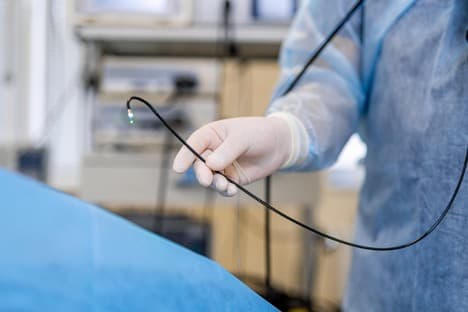
There are two main surgical approaches. Open release uses a small incision, usually 1 to 2 inches, in the palm to directly visualize and cut the transverse carpal ligament that's compressing the nerve. Endoscopic release uses one or two much smaller incisions and a camera, generally resulting in less initial pain and a faster early recovery, though both approaches have similar long-term outcomes for symptom relief.
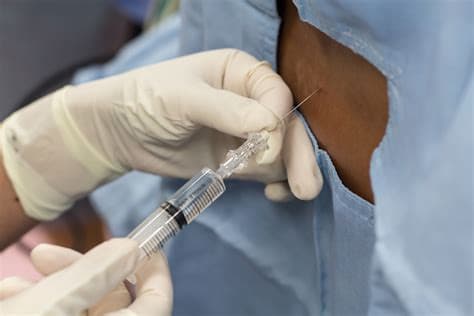
Local anesthesia with mild sedation is standard for either approach; general anesthesia is uncommon for this specific procedure given how targeted it is. Ask which technique your surgeon uses and why, since the early recovery experience does differ somewhat between the two even though final outcomes tend to be comparable.
The first few days
A bulky bandage or splint is typically worn for the first several days to a week, keeping the wrist protected while the incision begins to heal. Elevating the hand above heart level as much as possible in the first 48 hours meaningfully reduces swelling and throbbing, and is worth doing consistently rather than only when the hand feels uncomfortable.
Finger movement is usually encouraged immediately, even while the wrist itself is protected — keeping the fingers moving helps reduce stiffness and swelling and is generally safe since the surgical site is at the wrist, not the fingers themselves. Grip strength, however, is noticeably reduced in these early days and shouldn't be tested aggressively.
What surprises people: numbness doesn't disappear overnight
Surgery relieves the pressure causing nerve compression, but a compressed nerve doesn't recover instantly just because the pressure is gone. Numbness and tingling often improve gradually over weeks, and in cases of longstanding, severe compression, some residual numbness can persist for months or, in a minority of cases, be permanent if the nerve was significantly damaged before surgery. Setting this expectation upfront avoids the common frustration of patients assuming something went wrong when numbness doesn't vanish in the first week.
Night symptoms — the numbness and tingling that often wakes people up before surgery — frequently improve fastest and most noticeably, sometimes within the first week or two, even before daytime grip strength or fine motor control has fully returned.
Return to work: it depends heavily on the job
For desk work or jobs not requiring repetitive hand use or heavy gripping, return to work within a few days to a week is common, sometimes with the hand still bandaged. For jobs involving repetitive hand motion, vibration (power tools), or heavy gripping and lifting, return to full duty often takes 4 to 6 weeks, and sometimes longer, since these activities directly stress the healing tissue at the surgical site.
A work note specifying restrictions — no heavy gripping, no repetitive wrist motion, weight limits — is worth requesting explicitly at the post-op visit if the job involves manual work, rather than guessing at what's safe. Returning to demanding hand use too early is a common reason for prolonged swelling or discomfort, even when the underlying nerve release itself was successful.
Scar tissue and grip strength over time
Grip and pinch strength typically continue improving for up to 2 to 3 months after surgery, and full strength — sometimes exceeding pre-surgery strength once the compressed nerve is no longer limiting muscle function — is common by 3 months, though this varies by individual and by how long symptoms were present before surgery.
Some tenderness at the base of the palm, sometimes called pillar pain, is common for several weeks to a few months, particularly with pressure on that area (leaning on the hand, for example). This is a normal part of healing for most patients and generally resolves on its own, though it's worth mentioning at a follow-up if it's not gradually improving.
Related Resources
Looking for a surgery center near you?
Search 5,700+ Medicare-certified ASCs and compare CAHPS scores, accreditation, and patient reviews.